
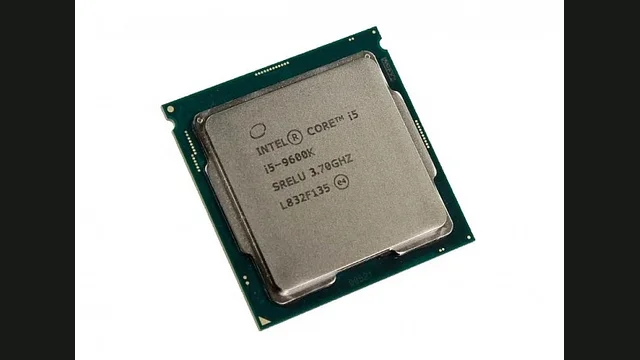
Intel Core i5-9600K overview
Intel Core i5-9600K is a 6-core, 6-thread desktop processor with a boost clock up to 4.6 GHz. Its estimated CPU-heavy gaming ceiling is approximately 92 FPS.
Graphics cards below this 1080p pace are normally fed cleanly. Faster cards make more sense at 1440p or 4K, where GPU work rises.
PC bottleneck calculator takeaway: Choose a GPU and resolution, then test the exact combination instead of judging the processor from a single score.
Data profile: component specifications and calculator model Editorial scope: desktop CPU gaming and pairing estimates Planning estimates, not a measured single-game benchmark
Specifications
Intel Core i5-9600K gaming profile and pairing limits
The Intel Core i5-9600K combines 6 cores, 6 threads, 9 MB of L3 cache and a boost clock up to 4.6 GHz. The calculator assigns it an estimated 1080p CPU pace of 92 FPS. That same value now drives the hero card, pairing table and analysis, so the page does not present competing ceilings.
Released for the LGA1151 platform in 2018, this Coffee Lake Refresh processor is an older platform where motherboard upgrade cost matters. The core layout is balanced for gaming with moderate multitasking. Its closest graphics match in the current database is the Radeon RX 7700 at 1080p, while faster cards become easier to justify at 1440p or 4K because more work shifts to the GPU.
Each bar shows the lower of the calculator's CPU pace and the selected GPU's estimated 1080p pace. It is comparative planning data, not a benchmark from one game.
Platform configuration that affects this result
The listed memory support is DDR4-2666. Dual-channel operation, stable firmware and correct power settings should be confirmed before treating a low frame rate as a processor limit. For its 95-watt base rating, a capable mainstream cooler should preserve boost consistency under gaming load.
How to interpret the 92 FPS estimate
This pace is best judged around a 60 FPS target; modern high-refresh play can expose the platform sooner. The public data profile records a gaming score of 93 and rank 145, while the calculator converts its own normalized CPU table into the 92 FPS planning ceiling. The two values serve different purposes: the public score helps order processors, whereas the ceiling is the value used for CPU-to-GPU pairing calculations on this site.
The physical design uses 0 performance cores and 0 efficiency cores on Intel 14nm++, with Intel UHD Graphics 630 listed for display or troubleshooting duties. Those details affect platform flexibility but do not guarantee a frame rate. A discrete GPU, game engine, memory timings and thermal behaviour still determine how much of the estimated ceiling appears in an actual session.
Where an upgrade changes the experience
A CPU upgrade is most defensible when uncapped testing repeatedly shows low GPU utilisation near the 92 FPS region, saturated game threads and inconsistent frame times. If the graphics card remains near full utilisation, lowering GPU-heavy settings or upgrading the GPU is more likely to help. Testing an esports title, a simulation and a graphically demanding game prevents one workload from defining the whole build. For that reason, the Intel Core i5-9600K profile is a starting hypothesis that should be checked against the user's own refresh target and software mix.
How resolution changes the bottleneck
High frame rates expose the processor ceiling first.
More work shifts to the GPU, allowing stronger graphics cards.
CPU differences shrink in most graphically demanding games.
Compatible graphics cards for Intel Core i5-9600K
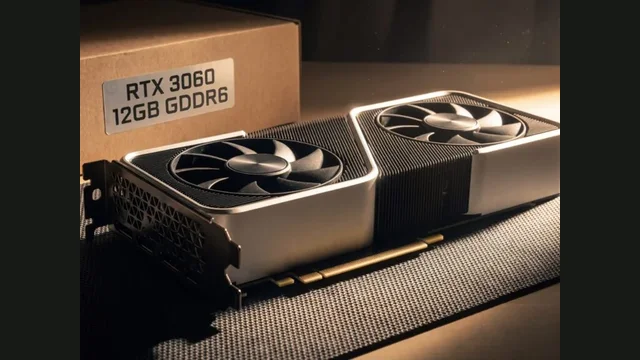
GeForce RTX 3060
~73 FPS GPU-side 1080p pace.
View GPU guide →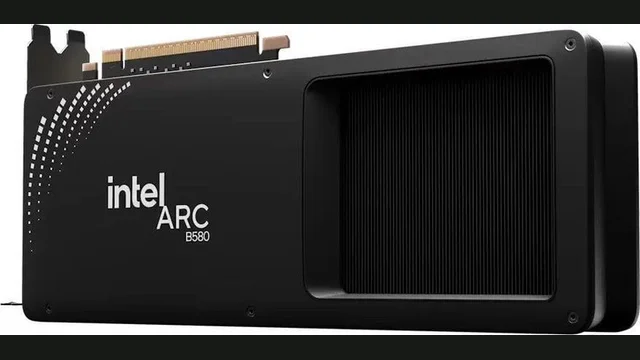
Arc B580
~93 FPS GPU-side 1080p pace.
View GPU guide →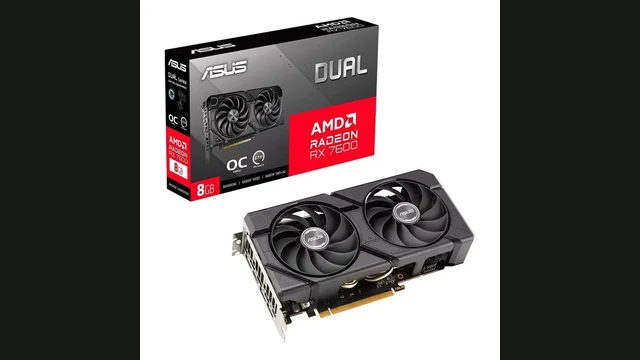
Radeon RX 7600
~90 FPS GPU-side 1080p pace.
View GPU guide →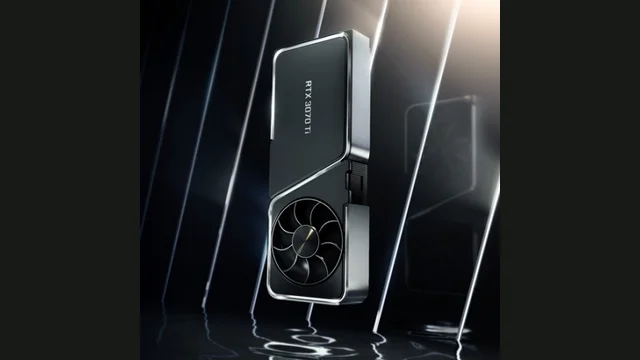
GeForce RTX 3070 Ti
~111 FPS GPU-side 1080p pace.
View GPU guide →Popular GPU pairing results
Resolution-aware estimates from the Bottleneck Lab model.
Estimates describe representative gaming pace. Competitive games, simulation workloads, memory and cooling can change real behavior.
How to diagnose and fix a CPU bottleneck
Signs the CPU is limiting
- GPU usage stays below maximum during uncapped play.
- Lowering resolution barely increases FPS.
- Busy scenes produce inconsistent frame times.
What to try first
- Check cooling, boost clocks and memory configuration.
- Close background tasks and remove frame-rate caps.
- Confirm the limit with monitoring before upgrading.
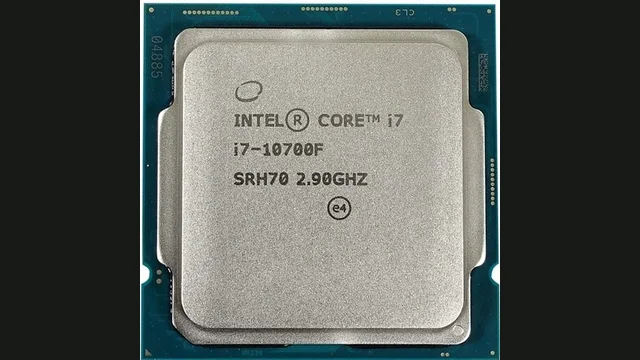
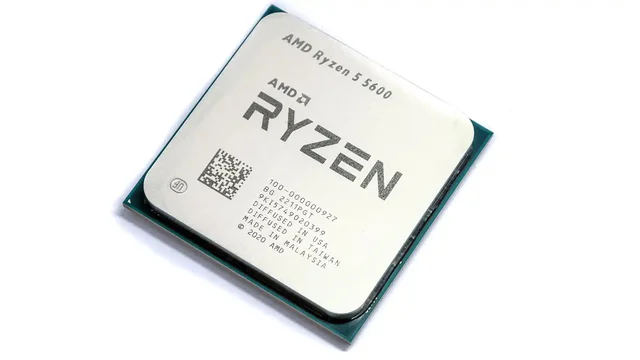
Similar CPUs to compare
Intel Core i5-9600K FAQs
What GPU is best for Intel Core i5-9600K?+
Use the balanced rows above as a starting point. At 1440p and 4K, a faster GPU can still make sense because resolution shifts work away from the CPU.
Is Intel Core i5-9600K still good for gaming today?+
Its estimated gaming ceiling and the target frame rate matter more than age alone. Compare that ceiling with the GPU and games you plan to use.
How accurate is a PC bottleneck calculator?+
It is a planning estimate. Validate the result using GPU utilisation, frame times and representative gameplay.
Does Intel Core i5-9600K require a particular memory type?+
Use a motherboard and memory kit that support DDR4-2666. Dual-channel operation, stable timings and the correct firmware matter more than selecting memory by frequency alone.
What cooling should be used with Intel Core i5-9600K?+
Choose cooling for its 95-watt base rating and the motherboard's boost behaviour. Confirm sustained temperature and clock speed during representative gaming instead of relying on an idle reading.
When should Intel Core i5-9600K be upgraded?+
Upgrade when repeated monitoring shows low GPU utilisation, saturated game threads and frame times below your target. A fully utilised GPU usually indicates that a processor replacement will offer limited improvement.
Will Intel Core i5-9600K bottleneck the GeForce RTX 3060?+
In the Bottleneck Lab model, Intel Core i5-9600K with the GeForce RTX 3060 is about 5.6% CPU-limited at 1080p, balanced with no meaningful bottleneck at 1440p and GPU-limited by about 1.7% at 4K. Treat this as a planning estimate and confirm it with GPU utilisation and frame times in your own games.
Will Intel Core i5-9600K bottleneck the Arc B580?+
In the Bottleneck Lab model, Intel Core i5-9600K with the Arc B580 is about 24.5% CPU-limited at 1080p, about 9.1% CPU-limited at 1440p and balanced with no meaningful bottleneck at 4K. Treat this as a planning estimate and confirm it with GPU utilisation and frame times in your own games.