
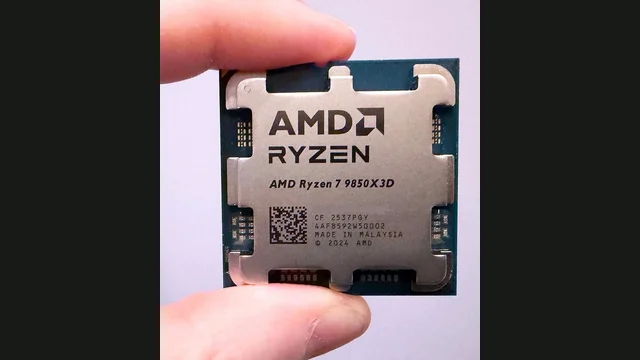
AMD Ryzen 7 9850X3D overview
AMD Ryzen 7 9850X3D is a 8-core, 16-thread desktop processor with a boost clock up to 5.5 GHz. Its estimated CPU-heavy gaming ceiling is approximately 240 FPS.
Graphics cards below this 1080p pace are normally fed cleanly. Faster cards make more sense at 1440p or 4K, where GPU work rises.
PC bottleneck calculator takeaway: Choose a GPU and resolution, then test the exact combination instead of judging the processor from a single score.
Updated November 10, 2026Reviewed by the PC Bottleneck Lab editorial teamModel scope: desktop gaming
Specifications and launch price
Launch pricing is historical reference data, not a live store quote. Used-market and regional prices can differ substantially.
AMD Ryzen 7 9850X3D gaming performance and bottleneck analysis
The AMD Ryzen 7 9850X3D uses the Zen 5 (Granite Ridge X3D) design with 8 cores, 16 threads and boost frequency up to 5.5 GHz. Those specifications position it for high-refresh gaming, although a specification sheet cannot predict every game. Engine design, memory latency, cooling and background activity determine how consistently the processor reaches its estimated 188 FPS gaming ceiling.
A useful PC bottleneck calculator compares the processor's frame-production capacity with the selected graphics card at the target resolution. It should not treat core count or a synthetic score as a universal answer. Its core count provides practical multitasking headroom without making background work the main buying reason. Consequently, the most relevant pairing depends on whether the user values competitive frame rates, detailed visuals, streaming or a quieter system.
Chart values show the lower estimated CPU or GPU pace at 1080p. They provide comparative planning guidance rather than a measured result from one title.
Clock speed, cache and frame-time consistency
The boost clock influences lightly threaded game work, while the 96 MB L3 cache reduces repeated trips to system memory. However, neither figure operates alone. A game can depend on simulation, draw-call submission, asset streaming or several worker threads. Therefore, smooth one-percent lows often reveal more about the experience than a short average-FPS run.
Memory support and platform configuration
This processor is associated with DDR5-5600 support, subject to the chosen motherboard. Dual-channel operation and a stable memory profile should be confirmed before diagnosing a CPU limit. Slow or single-channel memory can reduce minimum frame rates and create stutter that resembles a weak processor. BIOS updates and current chipset drivers can also improve scheduling and compatibility.
Cooling, power limits and sustained performance
A capable cooler and sensible motherboard power settings are important because sustained boost behaviour can exceed the base power rating. Users should test temperatures during representative gameplay instead of relying only on an idle reading. If clock speed falls as temperature rises, the system may need better airflow, a remounted cooler or less aggressive power settings before any component upgrade.
When a processor upgrade makes sense
An upgrade becomes reasonable when monitoring repeatedly shows low GPU usage, saturated game threads and frame-time spikes below the desired refresh rate. Conversely, a graphics card running near full utilisation indicates a normal GPU limit. At 1440p and 4K, a stronger GPU or adjusted visual settings often produce a larger improvement than replacing this processor.
How to verify the calculator result
Run an uncapped repeatable scene while recording GPU utilisation, per-core CPU activity, temperatures and frame times. Test the same scene twice: first with the normal preset, then with a clearly lower resolution or render scale. A large frame-rate increase usually confirms a GPU limit. Little improvement alongside reduced GPU usage points toward the processor, memory or a frame cap. Repeat the check in more than one game because an esports engine, simulation and cinematic title can stress the same hardware differently. This process turns a planning percentage into evidence that reflects the actual system.
Does the AMD Ryzen 7 9850X3D bottleneck at 1080p, 1440p or 4K?
High frame rates expose the processor ceiling first.
More work shifts to the GPU, allowing stronger graphics cards.
CPU differences shrink in most graphically demanding games.
Best GPUs for the AMD Ryzen 7 9850X3D
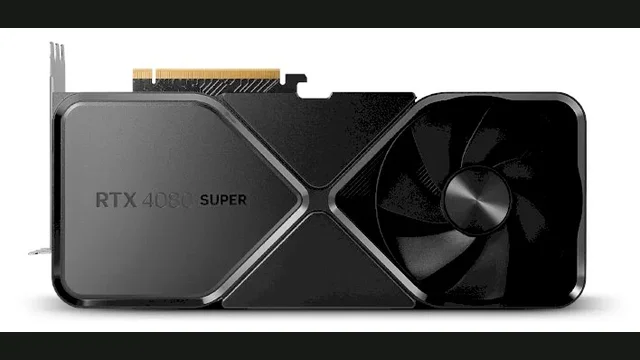
GeForce RTX 4080 Super
Balanced at 1080p. GPU pace ~187 FPS.
View GPU guide →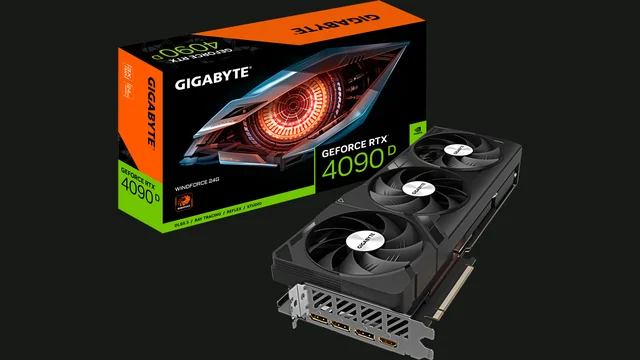
GeForce RTX 4090 D
Balanced at 1080p. GPU pace ~216 FPS.
View GPU guide →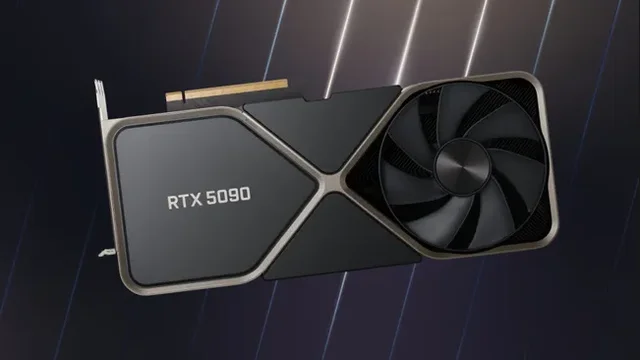
GeForce RTX 5090
Balanced at 1080p. GPU pace ~240 FPS.
View GPU guide →Resolution-aware estimates from the PC Bottleneck Lab model.
Estimates describe representative gaming pace. Competitive games, simulation workloads, memory and cooling can change real behavior.
How to tell if your CPU is bottlenecking your GPU
Signs the CPU is limiting
- GPU usage stays below maximum during uncapped play.
- Lowering resolution barely increases FPS.
- Busy scenes produce inconsistent frame times.
How to fix a CPU bottleneck on the AMD Ryzen 7 9850X3D
What to try first
- Check cooling, boost clocks and memory configuration.
- Close background tasks and remove frame-rate caps.
- Confirm the limit with monitoring before upgrading.
Similar CPUs to compare
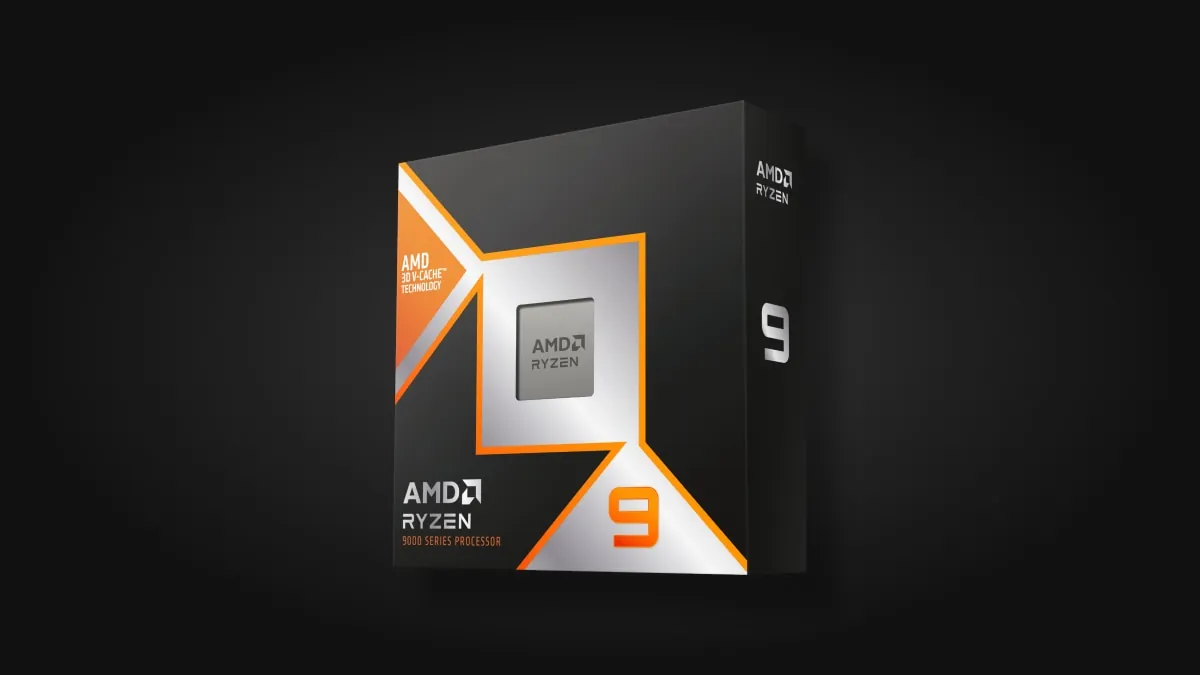
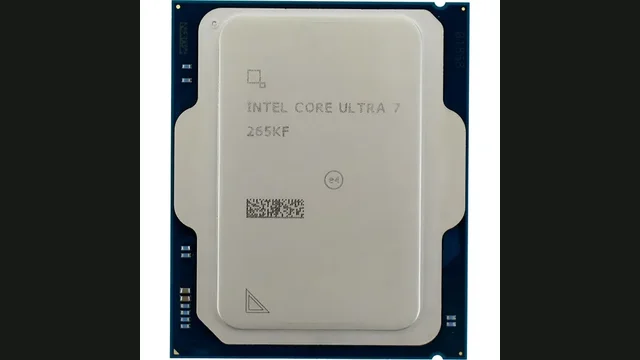
AMD Ryzen 7 9850X3D at a glance: GPU ceiling and upgrade path
In the PC Bottleneck Lab model, the AMD Ryzen 7 9850X3D ranks #1 of 140 CPUs covered here for gaming pace, at roughly 240 FPS in CPU-heavy scenes, which puts it in the upper third of the set. The ranking only compares the processors we track, so read it as a position in this set rather than an absolute grade.
At 1080p, 1440p and 4K the model finds no CPU limit above 3% even with the GeForce RTX 5090. No card in the set pushes it past a 10% CPU limit at 1080p, so a graphics upgrade is the safer first spend.
In our data it is already at the top of the AM5 socket, so a bigger step means a new platform rather than a drop-in CPU.
Sources and limits
Specifications come from the PC Bottleneck Lab component database (database.json, updated 2 November 2026). Pairing percentages and FPS paces come from the PC Bottleneck Lab calculator model (calculator.js), which compares the processor's gaming pace with the graphics card's pace at each resolution. Model data current as of 10 November 2026.
Launch MSRP of $499, launched 29 January 2026 (AMD launch pricing as reported by Windows Central and TechPowerUp). Launch prices are historical reference data, not current store prices.
These are planning estimates, not measured benchmarks. Frame rates vary by game, settings, drivers and cooling, and the model does not measure your system directly. Confirm any upgrade decision with GPU utilisation and frame times in your own games.
AMD Ryzen 7 9850X3D FAQs
What GPU is best for AMD Ryzen 7 9850X3D?+
At 1080p the strongest card we found it drives cleanly is the GeForce RTX 5090; at 1440p the GeForce RTX 5090; at 4K the GeForce RTX 5090. Cards below those sit under its ~240 FPS pace, while faster ones add a CPU limit that is largest at 1080p.
Is AMD Ryzen 7 9850X3D still good for gaming today?+
Released in 2026, the AMD Ryzen 7 9850X3D sits in the upper third of the set (1 of 140) at about 240 FPS. It suits gaming with cards up to the GeForce RTX 5090 at 1440p; for high-refresh 1080p with something faster, look at the upgrade options above.
How accurate is a PC bottleneck calculator?+
It is a planning estimate. Validate the result using GPU utilisation, frame times and representative gameplay.
Will AMD Ryzen 7 9850X3D bottleneck the GeForce RTX 4080 Super?+
In the PC Bottleneck Lab model, AMD Ryzen 7 9850X3D with the GeForce RTX 4080 Super is balanced with no meaningful bottleneck at 1080p, balanced with no meaningful bottleneck at 1440p and GPU-limited by about 3.5% at 4K. Treat this as a planning estimate and confirm it with GPU utilisation and frame times in your own games.
Will AMD Ryzen 7 9850X3D bottleneck the GeForce RTX 4090 D?+
In the PC Bottleneck Lab model, AMD Ryzen 7 9850X3D with the GeForce RTX 4090 D is balanced with no meaningful bottleneck at 1080p, 1440p and 4K. Treat this as a planning estimate and confirm it with GPU utilisation and frame times in your own games.
Does AMD Ryzen 7 9850X3D require a particular memory type?+
Memory support is listed as DDR5-5600 on the AM5 platform. Use a DDR5 kit; two modules in dual channel matter more than chasing the highest rated frequency.
What cooling should be used with AMD Ryzen 7 9850X3D?+
The AMD Ryzen 7 9850X3D has a 120 W base power rating and up to 162 W under boost, so a quality tower cooler or a 240 mm liquid cooler suits it. Confirm sustained clock speed and temperature during a long gaming session rather than judging from an idle reading.
When should AMD Ryzen 7 9850X3D be upgraded?+
In the model no covered card pushes it past a 10% CPU limit, so upgrade only if your own testing shows saturated game threads with low GPU use.