
Key takeaways
- Gartner forecasts average PC prices up 17% in 2026, with combined DRAM and SSD prices up 130% by year-end.
- TrendForce recorded conventional DRAM contract prices rising 93 to 98% in the first quarter of 2026 alone.
- Three companies, Samsung, SK hynix and Micron, make about 95% of the world's DRAM.
- AI data centres buy the same DRAM wafers as desktop memory, and high-bandwidth memory takes about 22% of wafer capacity by end 2026.
- SK hynix expects demand to exceed supply through 2030, so no quick price fall is coming.
PC prices rising 2026: the short answer
PC prices rising 2026 comes down to one input: memory. Gartner forecasts average PC prices up 17% in 2026 against 2025, with combined DRAM and SSD prices up 130% by year-end. Memory now takes about 23% of a PC's parts cost, up from 16% in 2025, so a memory shock moves the whole PC price. Check what your own build costs today with the free tool: pc bottleneck calculator.
The shock started in the factories, not in the shops. DRAM contract prices, the prices big buyers pay for memory chips, jumped 93 to 98% in the first quarter of 2026 alone, per TrendForce. The second quarter added another 58 to 63%. By the end of 2026, conventional DRAM contract prices sit at roughly four times where they started the year. Retail prices follow contracts with a lag, which is why your next build costs more than your last one.
How the squeeze works: one wafer, two buyers
A memory chip starts as a slice of a silicon wafer. The same wafer can become desktop RAM, phone memory, or high-bandwidth memory for AI accelerators. High-bandwidth memory, or HBM, is the stacked memory inside AI data centre chips, and it earns far more per wafer than desktop DRAM. When AI buyers pay more, the three memory makers shift their wafers toward HBM, and desktop memory gets less supply. That shift is the whole squeeze in one sentence.
The numbers show how far it went. TrendForce estimates that HBM takes about 22% of the world's DRAM wafer capacity by the end of 2026. It produces only about 9% of the bits, though. HBM uses far more wafer area per bit than normal DRAM, so every HBM stack made means less DDR5 and GDDR7 for everyone else. Samsung, SK hynix and Micron control more than 95% of global DRAM production between them, so no fourth supplier can fill the gap.
The second force is timing. No meaningful new fab capacity is expected to come online before late 2027 at the earliest, since chip fabs take years to build. That means supply cannot grow fast enough to meet AI demand plus normal PC demand at the same time. Prices rise until enough buyers give up, and PC buyers are the ones giving up first, since AI buyers pay more.
The numbers: how far memory prices moved
The price moves in 2026 are the largest in the memory market's recent history. TrendForce tracked conventional DRAM contract prices quarter by quarter, and each quarter added another rise on top of the last. The pace slowed through the year, yet it never turned into a fall, and the fourth-quarter forecast still points up. That pattern is why waiting a month has not helped buyers all year.
| Period | Conventional DRAM contract prices | Source |
|---|---|---|
| Q1 2026 | Up 93 to 98% on Q4 2025 | TrendForce |
| Q2 2026 | Up 58 to 63% on Q1 2026 | TrendForce |
| Q3 2026 | Up 13 to 18% on Q2 2026 | TrendForce |
| Q4 2026 (forecast) | Up 10 to 15% on Q3 2026 | TrendForce, 30 Sep 2026 |
| NAND flash Q4 2026 (forecast) | Up 15 to 20% on Q3 2026 | TrendForce, 30 Sep 2026 |
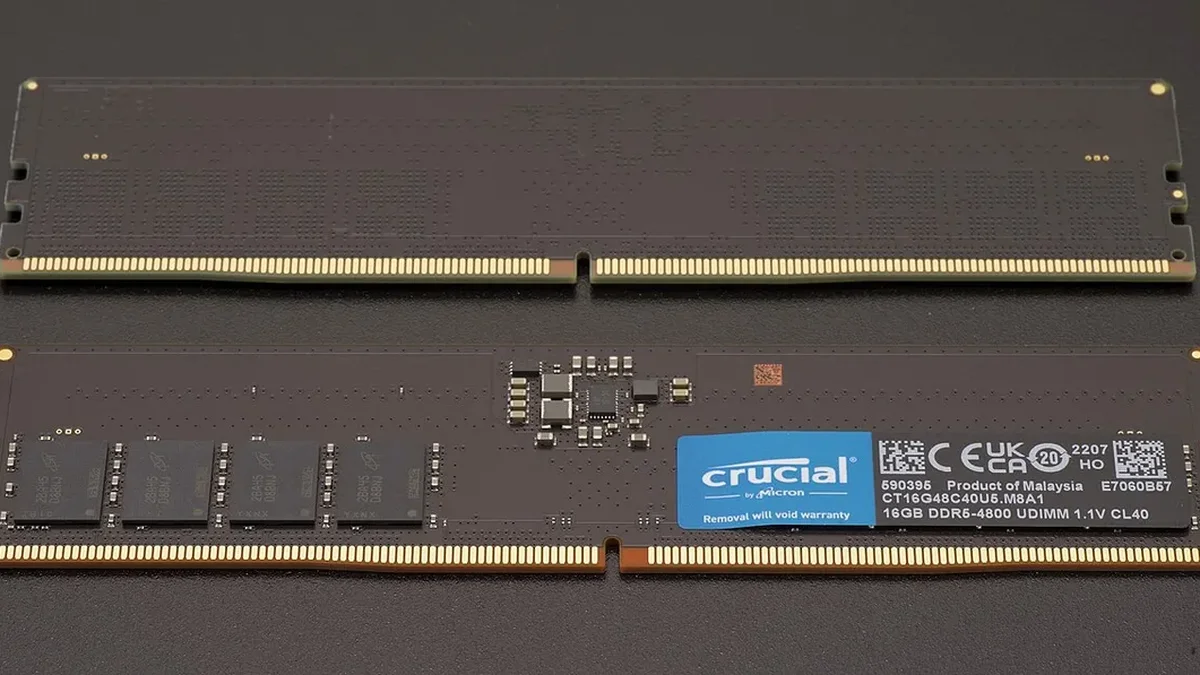
Retail prices tell the same story in dollars. The cheapest 32 GB DDR5 kit cost about $59 in April 2025. The same size kit cost $429 to $600 on 3 November 2026, per the WhereIsMyRAM tracker. A single 16 Gb DDR5 chip rose 452%, from $8.70 to $48, per the Team Group chief executive cited by Fortune on 10 November 2026. Those are retail readings, dated at the time, not prices we measured.
| Forecast | 2026 figure | Source and date |
|---|---|---|
| Average PC prices | Up 17% vs 2025 | Gartner, Feb 2026 |
| Smartphone prices | Up 13% vs 2025 | Gartner, Feb 2026 |
| DRAM + SSD prices | Up 130% by year-end | Gartner, Feb 2026 |
| Memory share of PC parts cost | 23%, up from 16% in 2025 | Gartner, Feb 2026 |
| Worldwide PC shipments | Down 10.4% in 2026 | Gartner, via Ranjit Atwal |
| Sub-$500 PC segment | Gone by 2028 | Gartner, Feb 2026 |
What it means for your next build
The squeeze hits every part of a build, yet it hits memory hardest. A 32 GB kit that cost under $100 in 2025 now costs several hundred dollars. The RAM line in a budget build can now cost more than the CPU. Graphics cards suffer too, since GDDR7 rides the same constrained supply chain as DDR5, and the RTX 50 cards show it in their street prices. Storage is next, with NAND flash contract prices still rising into the fourth quarter.
Prebuilt PCs and DIY builds feel it differently. Prebuilt makers buy memory on long contracts, so their prices move slower. They still move, though, and HP says memory now takes 35% of a PC's parts cost, up from 15 to 18% before the shortage. DIY builders pay the retail price on the day, so they feel each jump at once. For the prebuilt versus DIY maths in this market, see this: DDR5 shortage: prebuilt vs DIY PC in November 2026.
The practical moves are small and concrete. Buy the RAM your build needs now rather than planning to add sticks later, since later may cost more. Reuse DDR4 or DDR5 from an old build when the board allows it, since used memory dodges the retail price entirely. Keep your current PC longer when it still runs your games. Gartner expects buyers to keep PCs about 20% longer by the end of 2026. For the RAM size question in this market, see this: 16 GB vs 32 GB RAM in the 2026 shortage.
How long will PC prices stay high?
No forecaster named in the November reporting expects memory prices to fall soon. Micron's chief executive said demand will exceed supply through at least 2028, and that 2027 and 2028 will be even tighter than 2026. Samsung says the market stays tight through 2028. SK hynix said on 28 October 2026 that it expects demand to exceed supply through 2030. Its chairman said in March 2026 that the shortfall could stay above 20% through 2030. For the graphics card side of the same squeeze, see this: GPU prices November 2026: why RTX 50 cards cost more than MSRP.
History adds one caution to those forecasts. Memory is famously cyclical, and the last two shortages ended suddenly when new capacity arrived and demand cooled at the same time. SK hynix's operating margin was negative 67% in the first quarter of 2023, which is what the bottom of the last cycle looked like. That does not mean prices fall soon, yet it means the forecasts are estimates, not promises. Plan around high prices for 2027, and treat any relief date as a guess.
The most useful rule is simple. Buy memory when you need it, at the best price you can verify that week. Do not pay a premium for a future fall that nobody can date. A price tracker reading from the same week beats a forecast from February, since the market moves faster than the forecasts do. For the card most affected by the same memory costs, see the GeForce RTX 5070 Ti specifications and pairings page.
The bottom line on PC prices rising 2026
PC prices rising 2026 is an AI memory squeeze, not a single retailer or a single part. Three memory makers shifted their wafers toward high-bandwidth memory for AI data centres. Desktop DRAM supply fell, and contract prices rose about fourfold across the year. Gartner's forecast of 17% higher average PC prices follows directly from that chain.
Do not wait for a fall that no forecaster can date, and do not pay panic prices either. Buy the memory your build needs at a verified price, reuse what you already own when you can, and keep a working PC longer. Run your parts through the cpu gpu bottleneck calculator before you spend, since a balanced build wastes less money than a rushed one. For the November GPU picture, see this: GPU prices rising November 2026: buy before Black Friday?.
Frequently asked questions
Why are PC prices rising in 2026?
Memory is the cause. AI data centres buy high-bandwidth memory made from the same DRAM wafers as desktop RAM, and the three memory makers shifted capacity toward it. Conventional DRAM contract prices rose 93 to 98% in the first quarter of 2026 alone, per TrendForce. Gartner forecasts average PC prices up 17% in 2026 as a result.
When will PC prices fall again?
No forecaster expects a fall soon. Micron says supply stays short of demand through at least 2028, Samsung says the market stays tight through 2028, and SK hynix expects demand to exceed supply through 2030. New fab capacity is unlikely to arrive in volume before late 2027. Treat any relief date as an estimate, not a promise.
Are AI data centres really the cause?
Yes, they are the main cause, though not the only one. AI accelerators use high-bandwidth memory, which takes about 22% of DRAM wafer capacity by end 2026 while producing only about 9% of the bits. That allocation leaves less wafer capacity for desktop DDR5 and graphics GDDR7. Normal PC demand did not spike; supply moved away from it.
Should I buy a PC now or wait?
Buy when you need a PC and can verify a fair price that week, since waiting has not helped buyers all year. Memory prices rose every quarter of 2026, so a wait costs more when the part you need keeps rising. Reuse RAM and storage from an old build when you can, and keep a working PC longer rather than replacing it early.
Will budget PCs under $500 disappear?
Gartner forecasts that the sub-$500 entry-level PC segment will disappear by 2028, as memory takes a larger share of every build's cost. Memory already takes about 23% of a PC's parts cost in 2026, up from 16% in 2025. Budget builders will need to reuse parts, buy used, or accept lower specs to stay under $500.
Do higher memory prices affect graphics cards too?
Yes, graphics cards use GDDR7 memory from the same constrained supply chain as DDR5 system RAM. The RTX 50 cards show it directly: the RTX 5070 Ti launched at $749 yet sold for about $1,719 on Amazon in early November 2026. The new 3 GB GDDR7 chips cost about three times the 2 GB parts, per TrendForce.
How this guide was prepared
This explainer was prepared from Gartner's February 2026 forecast and TrendForce contract-price data reported in November 2026. It also uses named company statements: SK hynix on 28 Oct 2026, Samsung, and Micron's chief executive. Retail RAM readings come from the WhereIsMyRAM tracker on 3 Nov 2026 and the Team Group chief executive via Fortune on 10 Nov 2026. All figures are reported readings with dates, not prices we measured.
Last updated: November 17, 2026