
Key takeaways
- A 32GB DDR5 kit cost about $429 to $600 in the US in early November 2026, against roughly $95 before the shortage.
- TrendForce expects DRAM contract prices to rise another 10 to 15% in the fourth quarter of 2026.
- No published forecast sees meaningful price relief before late 2027.
- Buying 16GB now and adding a second matched kit later beats waiting with no PC at all.
- DDR4 and AM4 remain the cheapest escape route if you can accept an older platform.
What the shortage actually is
A memory shortage happens when demand for memory chips outruns the supply of finished sticks. Right now, memory makers send more wafer capacity to high-bandwidth memory for AI data centres. That leaves less capacity for the ordinary DDR5 chips in gaming PCs. So shops have fewer kits, and the kits they have cost far more than a year ago.
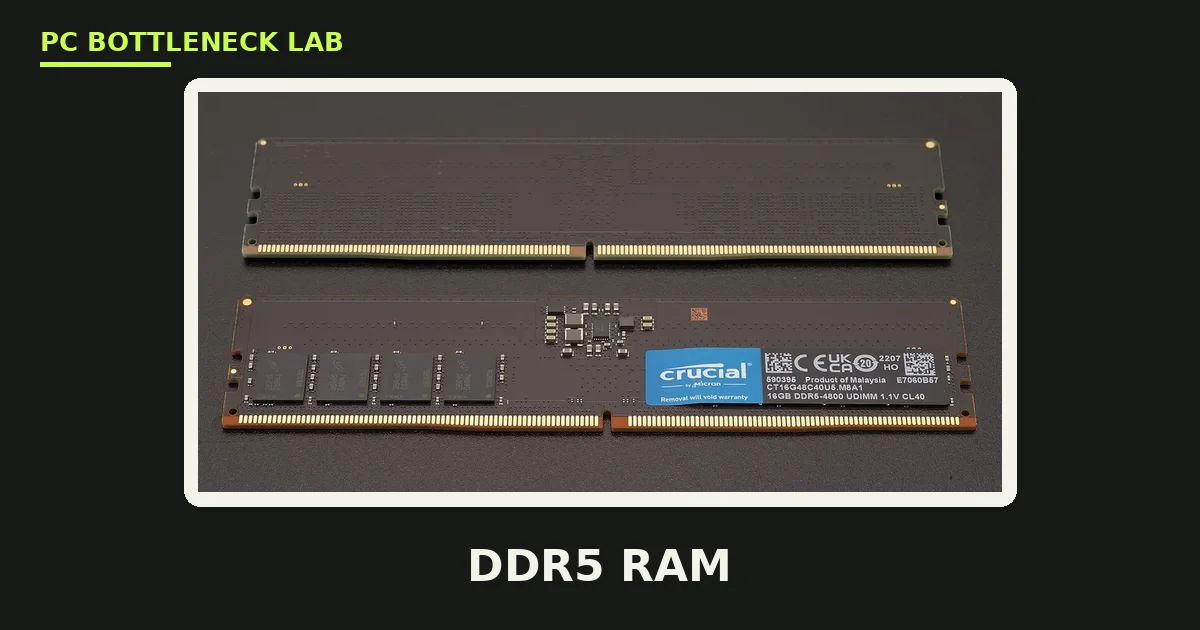
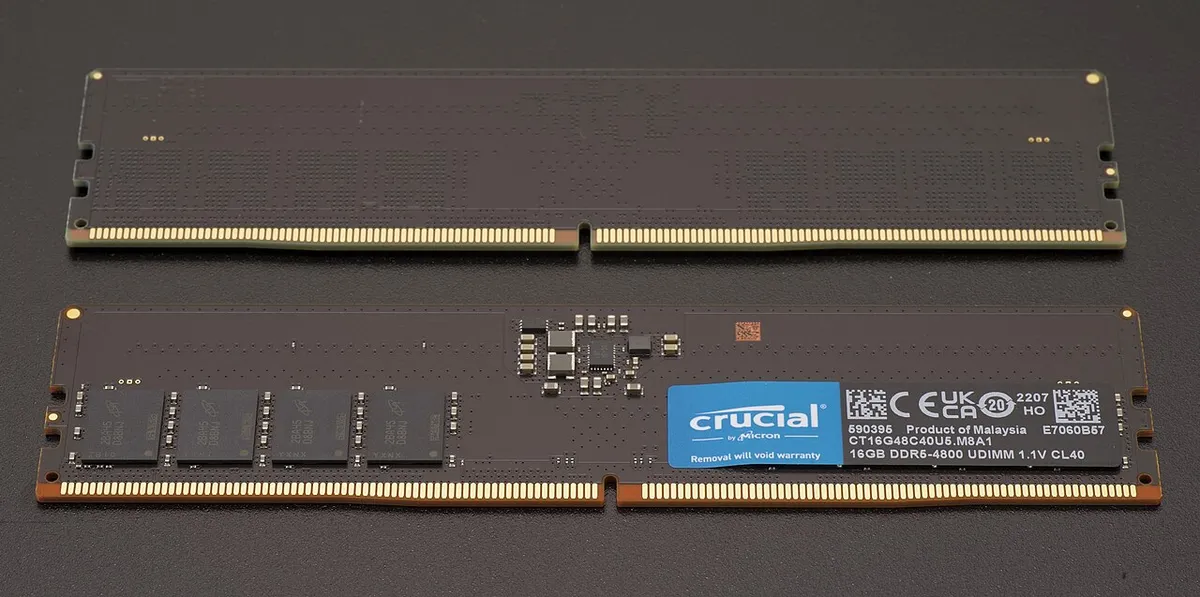
DDR5 is the current memory standard for new AMD and Intel builds. It is the fifth generation of double data rate memory, and it replaced DDR4 on new platforms. You cannot put DDR5 sticks in a DDR4 board, or the other way round. That lock-in is why the shortage hurts so much: buyers of new platforms have no cheaper memory type to switch to.
The shortage is not a rumour from one shop. Several independent price trackers updated within days of each other in early November 2026, and all of them point the same way. Retail kits are scarce, prices move up week by week, and the largest weekly retail dip recorded so far was only about 2.5%.
What DDR5 costs in November 2026
Prices below are reported tracker and retail readings with their dates. They are not our measurements, and they move daily. Treat them as a snapshot of the market when this guide was written.
| Kit | Reported price | Date and source type |
|---|---|---|
| 32GB DDR5 (2x16GB), US range | About $429 to $600 | 3 Nov 2026, price tracker |
| 32GB DDR5, lowest tracked US kit | $479.99 | 3 Nov 2026, tracker basket |
| 32GB DDR5, median of 23 tracked kits | $549.99 | 3 Nov 2026, tracker basket |
| 32GB DDR5-6000, Silicon Power | $459 rising to $569.97 in three days | 30 Oct to 2 Nov 2026, manufacturer store |
| 64GB DDR5, Silicon Power | $989 rising to $1,099.97 | 30 Oct to 2 Nov 2026, manufacturer store |
| 32GB DDR5-6000 CL30, Corsair Vengeance | $559.99 at Newegg US | 8 Nov 2026, retailer listing |
| 32GB DDR5-6000, Corsair Vengeance Grey | £529.99 at Scan UK | 8 Nov 2026, retailer listing |
Before the shortage, a 32GB DDR5 kit sold for roughly $95 to $100. That means the same capacity now costs about four to six times more. The jump did not happen in one week. Trackers show prices climbing almost every week since early 2026, with the sharpest moves in October and November.
One more number explains the pressure underneath. TrendForce reported the DDR5 chip spot price at $61.50 on 3 November 2026, against $27.20 in December 2025. Contract prices tell the same story. TrendForce recorded conventional DRAM contract prices rising about 90 to 95% quarter on quarter in the first quarter of 2026. It projects another 10 to 15% rise in the fourth quarter of 2026.
Why prices keep rising
The cause is a shift in factory capacity, not a single event. Memory makers earn more from high-bandwidth memory and server memory for AI systems. So they give those products more wafer starts. Consumer DDR5 gets what is left. Demand from AI data centres keeps growing, while new memory factories take years to build. Most new capacity from the 2026 investment wave lands in 2028 or later.
Two extra shocks made November worse. First, Micron said it would shut down Crucial, its consumer memory brand, entirely. That removes a familiar budget option from the market.
No published forecast says so. One tracker notes that no forecaster on record expects meaningful relief before late 2027. SK Hynix has said it expects demand to outrun supply until at least 2030.
DDR5 RAM shortage: buy now or wait?
This is the decision the whole guide serves. Your answer depends on when you need the PC, not on guessing the exact bottom of the market.
Buy now if any of these apply. You are building a PC this month and you need it for work, study or games. Your current RAM is failing, with crashes or errors you have already tested. You found a kit at the low end of the reported range, near $430 to $480, and it matches your board. In each case, the cost of waiting is higher than the chance of a small price drop.
Wait if all of these apply. Your current PC still runs what you need. You can delay the full build by many months, not just a few weeks. You would rather keep your money than pay four to six times the old price. Waiting a month or two will not fix the shortage, so only wait if you can wait a long time.
A middle path suits most buyers. Buy the RAM you need now, but buy less of it. A 16GB kit (2x8GB) gets a gaming PC running today. You can add a second matched 16GB kit later, when prices ease or when your budget recovers.
16GB or 32GB in the shortage?
Capacity is the second decision, and the shortage changed the answer. Before 2026, 32GB was the easy default for a gaming PC. Now 32GB costs as much as a mid-range graphics card used to cost. So the choice is about what your games and apps truly need.
| Setup | Who it suits | What to expect |
|---|---|---|
| 16GB (2x8GB) DDR5 | 1080p gaming, esports, office work, one game at a time | Fine for most games today; close background apps before heavy titles |
| 32GB (2x16GB) DDR5 | 1440p gaming, streaming while gaming, photo and video editing | Comfortable headroom; the standard pick if the budget allows |
| 64GB (2x32GB) DDR5 | Heavy video editing, 3D work, local AI models, many apps at once | Overkill for gaming alone; buy only for real work needs |
Most gamers should pick 16GB now if money is tight. Our guide to how much RAM you need for gaming in 2026 explains the capacity needs per use in detail. The key point is simple: 16GB still runs the games, while no RAM runs nothing. A PC with 16GB today beats a perfect 32GB build that never gets built.
If you do buy 32GB, buy one matched kit of two sticks. Our comparison of dual-channel vs single-channel RAM shows why two sticks beat one stick of the same size.
DDR5 RAM shortage: what about DDR4 and AM4?
DDR4 is the older memory standard, and it is also more expensive than it was. Reports put 32GB DDR4 kits at about $150 to $180 by January 2026, up from about $60 to $90 in October 2025. That is still far cheaper than DDR5 today. So an AM4 build with DDR4 is the cheapest escape route from the DDR5 RAM shortage.
AM4 is AMD's older socket, used by Ryzen 5000 CPUs such as the Ryzen 5 5600X. Those CPUs still play modern games well at 1080p and 1440p. A used or discounted AM4 board plus DDR4 can save you hundreds against a new AM5 DDR5 build. The trade-off is real: AM4 has no upgrade path to newer Ryzen CPUs, and DDR4 is a dead end for future builds. You save money now and give up future upgrades.
This route suits one group best: buyers who need a working gaming PC now and care more about value than the newest platform. It suits a second group too: owners of an AM4 board who can add DDR4 instead of replacing the whole PC. Our guide to DDR4 vs DDR5 RAM speed and bottlenecks explains the speed gap between the two standards. For gaming, that gap is small next to the price gap right now.
How to buy RAM in a shortage without wasting money
First, check what your board needs before you shop. Read the manual for the memory type, the maximum speed, and the slot layout. DDR5 boards need DDR5, DDR4 boards need DDR4, and the sticks do not fit each other's slots. Then check the board maker's memory support list for kits tested with your exact board.
Second, compare the price per gigabyte, not the headline price. A $480 kit and a $550 kit look close, but the cheaper one may be slower or have worse timings. Speeds around DDR5-6000 with reasonable timings suit most AMD and Intel gaming builds. Extreme speeds above that add cost for little gaming gain, as our guide to extreme DDR5-8000 speeds explains.
Third, buy from a seller you can return to. Shortage markets attract third-party sellers with high prices and weak return terms. A kit from a known retailer with a clear return policy is worth a small premium. Keep the receipt and test the kit in the first days, because faulty RAM shows up fast under a memory test.
Fourth, do not buy used DDR5 blind. Used kits can hide faults, and DDR5 has on-board power management that can fail without visible damage. If you buy used, test it the same day with a full memory test, and only buy from a seller who accepts returns. RAM can also limit a system, so read our explainer on whether RAM causes a bottleneck before blaming your CPU or GPU for slowdowns.
What to do if you already own DDR5
Owners have the easiest choice: do nothing. Your RAM is now worth more than you paid for it, but selling it leaves you without a PC. Keep it, and spend your upgrade money on the part that limits you most. Use our PC bottleneck calculator to check whether your CPU or GPU is the real limit before you spend anything.
If you own 16GB and want 32GB, add a second kit that matches your first exactly. Mixed kits can refuse to run at full speed or fail to boot. If no exact match exists, sell the old kit and buy one matched 32GB kit.
The bottom line on the DDR5 RAM shortage
The DDR5 RAM shortage is a supply problem with no quick fix. Prices in November 2026 sit about four to six times above their old level. Buy now if you need the PC soon, buy less if money is tight, and wait only if you can truly wait until 2028. Check your board, buy a matched kit from a trusted seller, and test it at once. That is the whole decision, and it is the same decision whether prices rise a little more or stay flat. Before you spend on any other part, check the GPU bottleneck calculator to see which part limits your PC.
Frequently asked questions
Should I buy DDR5 RAM now or wait for prices to drop?
Buy now if you need the PC in the next few months, because prices are still rising and no forecast sees real relief before late 2027. Waiting only helps if you can delay the whole build until 2028. A middle path is to buy 16GB now and add a matched kit later.
How much does a 32GB DDR5 kit cost in November 2026?
Reported US prices in early November 2026 run about $429 to $600 for a 32GB DDR5 kit. The lowest tracked kit was $479.99 on 3 November, and the median of 23 tracked kits was $549.99. Prices move daily, so check a live tracker before you buy.
Is 16GB of DDR5 enough for gaming in 2026?
Yes, 16GB still runs most games well at 1080p, especially esports and older AAA titles. You should close heavy background apps before playing, and avoid running a stream and a game together. Choose 32GB if you stream, edit video, or play at 1440p with many apps open.
Will DDR5 prices go back to normal in 2027?
No published forecast expects a return to old prices in 2027. TrendForce projects further contract price rises in late 2026, and new factory capacity mostly lands in 2028 or later. Prices may level off, but a fall back to about $100 for 32GB is not in any forecast we found.
Is DDR4 a good escape from the DDR5 shortage?
Yes, for value buyers. A 32GB DDR4 kit costs far less than DDR5, and an AM4 CPU such as the Ryzen 5 5600X still games well. The trade-off is a dead-end platform with no upgrade path to newer Ryzen CPUs. Pick DDR4 if you want a working PC now at the lowest cost.
Can I mix two different DDR5 kits to reach 32GB?
You can try, but mixed kits often fail to run at full speed or fail to boot at all. The safe method is one matched kit of two sticks, or a second kit identical to your first in brand, speed, timings and capacity. If no exact match exists, sell the old kit and buy one matched 32GB kit.
Does slow or small RAM cause a bottleneck?
Yes, RAM can limit a PC, but it is rarely the first limit. Too little RAM causes stutter when the system swaps data to storage, and a single stick loses dual-channel speed. Check your CPU and GPU balance first, then check RAM capacity and channel layout before spending on faster sticks.
How this guide was prepared
We checked several independent price trackers and retail listings from late October and early November 2026. We also used TrendForce contract-price forecasts reported in the same period. All prices are reported ranges with dates, not our own measurements. Where forecasts differ, we state the range and the source type instead of picking one number.
Last updated: November 10, 2026